
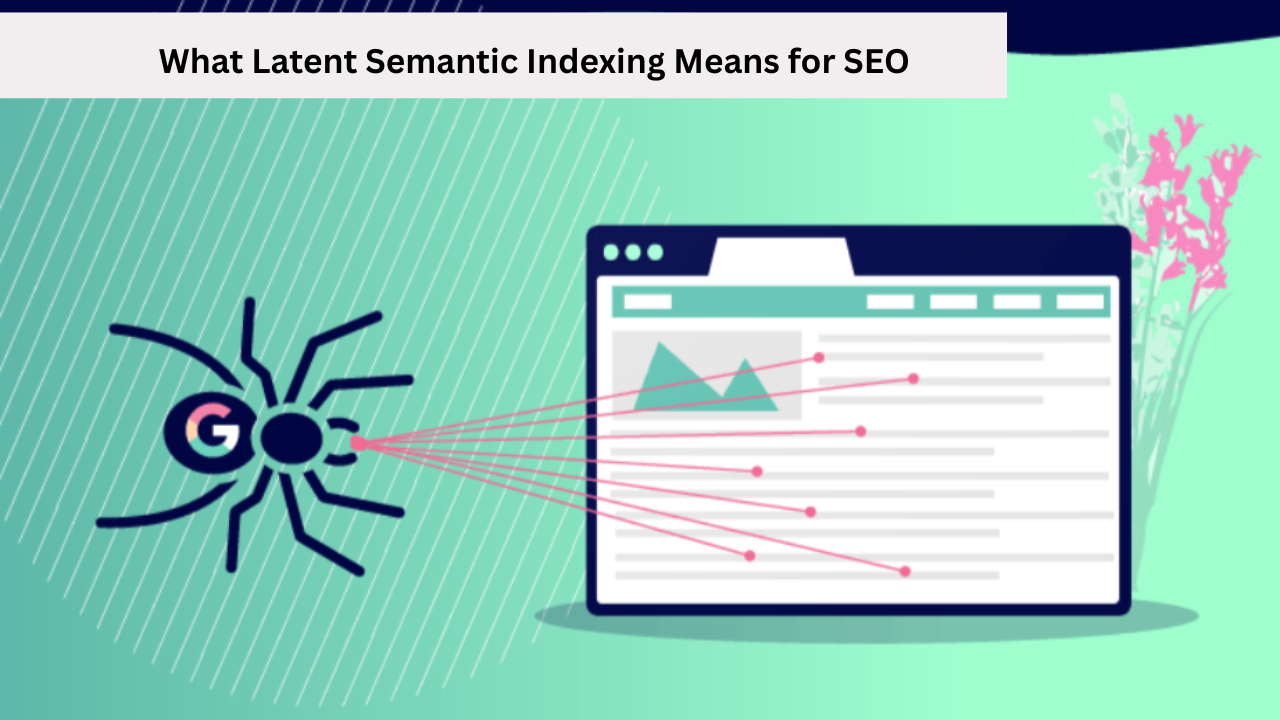
What Is Latent Semantic Indexing and How It Boosts Your SEO Performance?
The term LSI had been conjured in the SEO world for years whose application has been misunderstood and overrated by all. Many marketers still think that LSI keywords are used by Google to view the content on the page and rank it accordingly.
But Google has maintained time and time again that LSI keywords aren’t part of any ranking algorithm. The issue stems from LSI sharing concepts found in general search semantics.
The real story is that Google no longer needs old-school LSI to understand relationships between words and meanings. Instead, it uses advanced semantic models and natural language processing to analyze context at a much deeper level.
This article will explore what Latent Semantic Indexing really means, its impact on SEO, and the arguments behind semantic relevance, which, unfortunately, is not LSI keywords-then that matter most in developing current content strategy.
By the end of this, you will not be taught to write content for ranking by chasing dead SEO legends.
What Is Latent Semantic Indexing (LSI)?
Latent Semantic Indexing is a mathematical technique used to discover relationships between words in a large collection of text. It tries to discern patterns that reveal the occurrence of words together and how these concepts go into bigger concepts.
In SEO, LSI should aid Google and other search engines to understand what your content means rather than just what it says. When groups of related terms occur together, search engines can deduce the real topic of a page although not all actual keywords may be used.
Even if the word “automobile” never actually occurs on the page, whenever words like “car,” “engine,” “fuel,” or “vehicle” make their way through to the article, the search engines regard the topic as being about cars.
How Search Engines Use LSI to Understand Content
Before semantic search, search engines were busy with exact keyword matching. It created problems; any low-quality page might rank through repetition of a particular keyword. LSI entered the picture by establishing semantic understanding.
Now, search engines look at how words occur in relation to others and search for patterns that would verify the thematic existence of a given web page.
Here is an example:
The moment a page says “Apple,” the search engine simultaneously checks words near it. If iPhone, MacBook, and iOS describe the tech company, then fruit, vitamin C, or nutrition describe food.
LSI Keywords and Their Role in SEO
LSI keywords are words and phrases that are thought to share a strong semantic relation with the primary keyword. They are not necessarily synonyms; these are words that occur in discussions of the same or related topic.
When inserting these related words, your content offers search engines an idea of the theme you are trying to cover, so they can link it to a search query.
Here is how LSI keywords promote SEO:
- They provide context: LSI keywords allow greater context to the content that would otherwise be one-trick-pony topic-wise. By mentioning concepts related to the main idea, your article signals topic authority to search engines.
- They reduce dependency on one keyword: The same keyword never has to be said over and over. Alternating with similar terms improves ranking with different variants of search.
- They provide great user experience: Using LSI keywords sounds more natural and engaging because it mimics human speech on the subject matter itself.
Examples of LSI Keywords
| Main Keyword | LSI Keywords |
|---|---|
| Digital Marketing | SEO, PPC, analytics, content marketing, social media |
| Fitness | strength training, healthy diet, exercise plan, muscle growth |
| Artificial Intelligence | machine learning, neural networks, automation, deep learning |
The Role of LSI in Google’s Semantic Search
Though Google itself is not said officially to have ever used traditional “LSI,” modern algorithms do similar kinds of semantic analysis.
Named after an LSI principle, RankBrain and BERT, among others, aim to understand language and its context and, ultimately, user intent.
Here’s how a modern search engine uses LSI like understanding:
Interpret intent: Is someone, for example, searching best running shoes interested in product suggestions, comparisons, or reviews?
Builds on topic understanding: The more related the terms are, the more weight they put on what your page is about and cause it to be shown for wider search queries.
Conversational support: When the content contains a term that is semantically linked, the search engine can better comprehend natural language queries.
How LSI Impacts Your SEO Efforts
Improves Topical Relevance
Whenever your content contains semantically related terms, it becomes clear to Google that your webpage completely covers the topic. This builds topical authority, which helps your content to compete for both primary and related keywords.
Enhances Keyword Targeting
LSI keywords help your content rank for alternate and long tail keywords. For example, the article optimized for “remote work tools” might well appear for “virtual collaboration apps” and “productivity software for teams.”
Prevents Keyword Stuffing
Relying on the constant use of a single keyword looks unnatural and could lead to being penalized. LSI keywords make any writing go more smoothly and provide a good reading experience while maintaining its SEO potency.
Increases Content Reach
By providing multiple contextual cues, your content becomes eligible for a wider variety of potential search queries. Organic impressions, and in turn, outright potential, naturally increase.
How to Find LSI Keywords
LSI keywords can be easily identified through either a research tool or manual research. The important factor is to find naturally related phrases rather than just aliens.
- Google Search Suggestions: Start typing your keyword in Google and check autocomplete suggestions. These reflect common searches with strong semantic ties.
- “People Also Ask” & “Related Searches”: Scroll to the bottom of Google’s results page to find additional LSI-rich queries.
- SEO Tools : Tools like Ahrefs, LSIGraph, SurferSEO, or SEMrush will give you the related terms that have been used by competing top-ranking pages.
- Manual Content Analysis: Study the top 5 pages for your keyword. Note the recurring supporting words they use — these often indicate key semantic connections Google recognizes.
How to Use LSI Keywords Effectively
The use of LSI keywords is about subtle integration, not keywords stuffing. It should be used to reinforce meaning or context while keeping a natural tone in writing.
- Blend them naturally: Insert LSI keywords where they make sense contextually. Forced placement can hurt readability and SEO quality.
- Distribute wisely: Related terms should be interspersed with your headings, meta descriptions, alt text for images, as well as within your article content itself, thereby ensuring that Google tracks their contextual relevance.
- Stay clear in purpose: LSI should complement and not contradict your message. The content has to flow well while reading, just like it were written for people instead of algorithms.
- Use topic clusters: Instead of repeating one keyword, build sections around related subtopics. This improves coverage and strengthens authority in Google’s eyes.
LSI vs. Semantic SEO
| Aspect | Latent Semantic Indexing | Semantic SEO |
|---|---|---|
| Focus | Word relationships | User intent and topic meaning |
| Approach | Statistical text analysis | Contextual, AI-driven understanding |
| Goal | Identify related terms | Deliver the most relevant results |
Best Practices for LSI Based SEO
Below are the most effective and practical best practices to apply LSI in your SEO approach :
1. Focus on Topic Clusters Instead of Isolated Keywords
Traditional SEO meant targeting one major keyword on each page. Those days are long gone! Now, Google appreciates it whenever content is created to comprehensively cover an entire topic cluster- an interdependent group of related ideas and subtopics linked closely to a central theme.
With topic clusters, you:
- Cater to multiple user intents around the same subject.
- Likely to rank for more than one related keyword rather than just one.
- Build topical authority to communicate to Google that this topic has been extensively addressed on the site.
2. Write in a Natural Way
Today, search engines do comprehend natural language. In effect, over optimization or forcing other LSI keywords into your content reduces readability that could actually harm your ranking. Instead, try to converse with someone.
People in a human interaction simulation will slowly draw semantically related terms into play. In fitness talk, they probably never think of those keywords and may spontaneously speak about workout routines, nutrition, cardio, and muscle recovery.
3. Supporting Keywords Should Go into Titles, Meta Tags, and Heading Tags
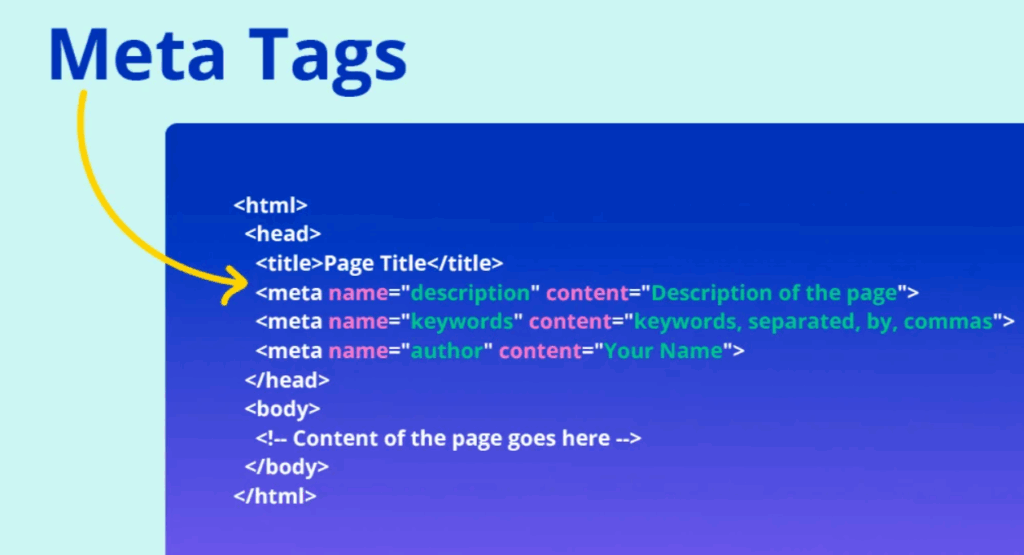
LSI are not just limited to your post body. Meta tags and headings really grab the attention of search engines by analyzing signals from the structure and context of the underlying content. In fact, you should sprinkle these with related terms to enhance topical signals.
How to do it right:
- Title Tag: The title should be half main keyword and half supporting keyword or concept, such as “Email Marketing Strategies to Boost Subscriber Engagement.”
- Meta Description: Including an LSI term will help reinforce relevance for the topic as well as encourage clicking from users.
- Subheadings and Headings: Such supportive terms should argue on specific content depth. Instead of Cranking out “Email Marketing” in every heading or subheading, terms more related to topics such as “automated campaigns,” “subscriber management,” or “email analytics” could very well be used.
4. Internal Linking for Related Topics
Another fine example of internal linking is still a great LSI technique. The more topics you link with your articles, the stronger the association they will create in regard to the search engines.
For example, articles about “SEO copywriting,” “keyword research,” and “content optimization” should be organically interlinked within their content.”
5. Use Structured Data to Strengthen Semantic Perception
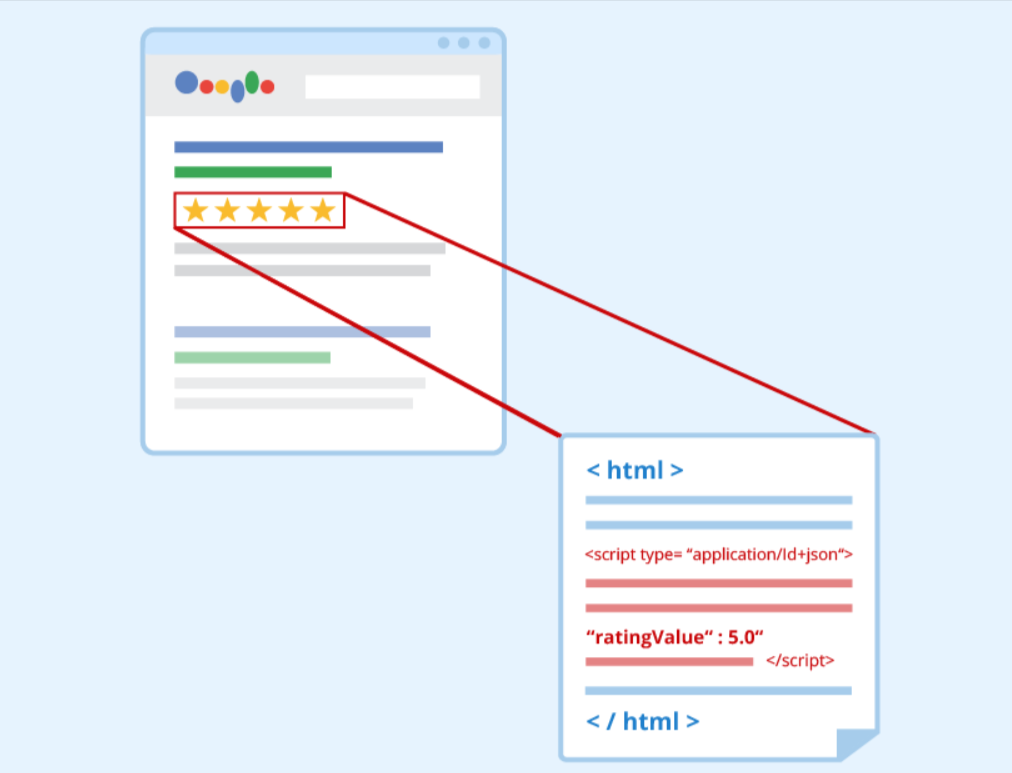
While LSI exists in the semantic dimension of textual context, structured data (or schema markup) practically inform search engines of what constitutes your page, thereby deepening its meaning and intent, far more than a type of text analysis ever could.
- Such uses of a markup vocabulary are just some of many possible.
- The FAQ schema should be used if content is based on questions.
- Use an Article schema for blog posting.
- Use the Product schema for eCommerce listings.
Conclusion
When it gets down to it, Latent Semantic Indexing is a ranking signal, or maybe better termed an idea that reminds us of the importance of context and relevance in modern SEO. Google will not pick up or select an LSI keyword for search, but an article full of related terms and concepts will still convey a better idea of the subject to be picked to the search engines.
So, not so much “chase LSI keywords” as find ways to build content that is complete on the topic and semantically interconnected so that it needs to bring along with it related terms naturally. This will provide greater visibility, engagement, and lasting stability on the rankings.
FAQs
What is Latent Semantic Indexing ?
It’s a mathematical procedure that finds the relationships between words and concepts in a single piece of content. The key idea it tries to help search engines with is context-an example would be that “Apple” might mean a fruit or it might mean a tech company depending on what other words are found nearby.
Does Google really use LSI keywords for rankings?
No, Google has on record denied that LSI keywords enter into the ranking process. Rather, Google relies on complex semantic analysis and natural language processing (NLP) to understand user intent as well as content meaning.
What’s the difference between LSI keywords and semantic keywords?
LSI words belonged to a rather older than current indexing scheme, whereas semantic words are contextually ascribed terms modern search engines use for topic understanding. In fact, it is those semantic words that today give forth relevance for your content.
How do LSI and semantics improve SEO?
To add some semantic terminology related to your subject matter will bring depth to the content-as in, so that they speak to a greater visibility and ranking in search engines.
How can I find LSI or semantically related keywords?
There are various tools that can be used: Google’s Related Searches, People Also Ask, and keyword tools such as Ahrefs, SEMrush, and LSIGraph. With these tools, you find out which terms and phrases are most linked by users to their target keyword.
Should I focus more on keyword density or topical relevance?
Topical relevance matters far more. Search engines now analyze overall content meaning, not just keyword frequency. Writing naturally around a theme and including related terms works better than repeating the same keyword.
How can I integrate LSI concepts into my SEO strategy?
Focus on building topic clusters — create core pages supported by detailed subtopics. Include related terms naturally in headings, meta tags, and content to enhance semantic coverage and user understanding.