
Direct vs Organic Traffic: Key Differences That Impact Your Business
When trying to boost traffic for a website, it’s pointless even hoping that high traffic figures would be enough on their own. They must accompanied by how people discover your site. Some come because they already know your brand and return. Others come from a search looking for a problem, product, or an article you published.
The behavior of these two groups is different. Organic visitors tend to be just researching, not buying all the time, comparing, evaluating options, and looking for the best answer. Direct visitors are past the stage of creating multiple leads out of clicks. They trust you enough to linger around without holding Google’s hand.
When you can see the contrast between direct and organic traffic, then you will be able to visualize where your brand stands and where the largest complaint would be. This potentially calls for a search visibility upgrade in one place, while for another, it is about enhancing the brand’s recall and repeat visits.
In this article, we bring out the actual differentiation between direct and organic traffic, describe the origin of each, and explain how each contributes to improving visibility, trustworthiness, and business growth over the long term.
1. Core Differences: Direct vs Organic Traffic
Direct and organic traffic look so similar in one’s analytics reports, but these are reflective of highly different behaviors among their own users. Organic traffic reflects how well you attract new visitors in search; however, the arrival of direct traffic only hints that many people already know your company and are returning on purpose.
| Factor | Organic Traffic | Direct Traffic |
|---|---|---|
| How Users Arrive | Through search engines like Google, Bing, or DuckDuckGo after searching for a relevant keyword. | By typing the URL, using bookmarks, saved browser history, or clicking untracked sources. |
| User Intent Level | Often low to medium intent. Users are exploring solutions, researching, or comparing. | High intent — visitors already know the brand or specifically want to reach the site. |
| When It Happens in the Customer Journey | Early to mid-funnel. Users are still learning and evaluating options. | Mid to late funnel. These are returning users, direct consumers, or engaged followers. |
| What It Indicates About Your Brand | Strong visibility and SEO performance, but not necessarily brand recognition. | Strong brand recall, trust, loyalty, and repeat engagement. |
| Tracking Accuracy (GA4) | Generally accurate because source and query data are passed through search engines. | Less accurate — often includes misattributed traffic from emails, apps, or privacy-restricted browsers. |
| How It Impacts Sales or Conversions | Can drive consistent leads long-term, but conversion may take multiple touchpoints. | Higher likelihood of immediate actions like sign-ups, purchases, or repeat transactions. |
| What Influences Growth the Most | Content quality, keyword strategy, SEO, backlinks, site speed, search visibility. | Brand equity, memorable domain name, offline exposure, user retention, and remarketing. |
| Best Use Case | Attracting new users, scaling reach, and building authority in your niche. | Strengthening relationships with returning audiences and improving customer lifetime value. |
2. Types of Traffic Sources
In order to accurately determine the direct vs organic terms, it is important to look at traffic types in the broad system of attribution sources. Some of the means of acquiring traffic include,
Organic Search
Users come in through search engines by typing search queries and then clicking at the pages of your website that have been well-ranked. It helps a lot in informing you how well your SEO strategy is working and gauging whether the content you have ties in with what real users want.
Direct Traffic
Visitors arrive at your site fully aware of your brand and its identity or have knowingly directed themselves to some specific part of your website. They may type in your URL, have you bookmarked, or have come from untracked sessions, that is, dark traffic.
Referral Traffic
The traffic comes from an onward link on another website, a directory, a blog, some mention on a web marketing resource, or anything akin to this. The more referrals, the greater the pronounced online authority and partner’s performance.
Paid Search
“With one of the main goals being the paid search conversions, the visitor comes through the PPC (such as Google AdWords). Such users would have a fairly transactional or urgent intent while these ads usually target commercial or bottom-of-the-funnel oriented keywords.”
Social Traffic
Some traffic sources from platforms such as Facebook, LinkedIn, Instagram, TikTok, and Reddit. This kind of crowd also finds content through feeds, shares, or campaigns.
3. What Exactly Is Organic Traffic?
Organic traffic includes visits to the site based on search engine results that were not paid for. It is one thing for a user to search with a keyword and another for you to appear in the results.
Organic traffic is not incidental; it is evidence that:
- The site is ranked higher on certain keywords or topics.
- The content meets an actual need of searchers.
- Search engines find the site to be useful and relevant.
Search Intent changes everything. A visitor searching for “best running shoes for flat feet” behaves in an entirely different way from someone searching your brand name.
4. Sources of Organic Traffic
Organic traffic begs attention from many points of search openings, apart from Google.
Some examples are:
- Google, Bing, Yahoo, DuckDuckGo.
- Mobile & Voice Search: searches asked by Siri, Google Assistant, Alexa.
- Branded vs Non Branded Searches: Branded queries equates to awareness while non-branded indicates discovery.
- Google Explore or News Features: Algorithm-driven “suggested content” placements.
These sources stand for different intents — informational, navigational, transactional — each contributes to how well a site scales its visibility.
5. How to Get More Organic Traffic
Organic traffic become higher when search engines find your website trustworthy and user gets obsessed with your content. This isn’t solely about ranking; it is actually about how relevance affects authority and how you present content that satisfies real search intent.
The best ways to authenticate organic growth are mentioned below:
Building more Technical SEO
For search engines to be able to recognize and properly index your content, your site must, first, be clean and easily crawlable. To enable a better and faster crawl, some of the things that can help include improvements made to site speed, detection and repair of broken links, use of structured data, internal linking schemes, and mobile usability.
Increase Depth and Relevance of Contents
One thing search engines do now is to reward well-provided information. You should make your site an authority on the topic by adding specific sections, history updates, and overall readability; improving your content based on user intent, rather than text thin general overviews, is the key. Anticipating questions and offering help also keeps users busy and engages the page-ranking benefits of the site.
Focus on Low Competition, High Commercial Intent Keywords
Optimizing for the popular keywords can become a way more difficult task than anticipated; authority needs to be estblished. Now, if you have any long tail or niche specific keywords to include in page content, these could get more desirable and quicker wins, as they are closer to the purchase decision or decision-making phase.
Overcome Contents Decay and Cannibalization
Older content can fall downhill due to the existence of newer or more comprehensive contenders. Regular updating and reoptimization widely help in keeping ranking in the right place.
Sometimes pages only contain a few words, yet they share a decent amount of internal links with each other. This is not useful, rather thius strengthens competition for the keywords. Also, Google sips the ranking signals among the pages.
Boost Authority With Credible DoFollow Backlinks
Any website of good standing provides the link to the site you want to expand. Search engines determine that link endorsements for sites that could be measured expertise, trustworthiness, and interest in the subject. Hours and hours of banking authority topics and a consistent flow of dofollow, good backlinks.
Forming Topic Clusters
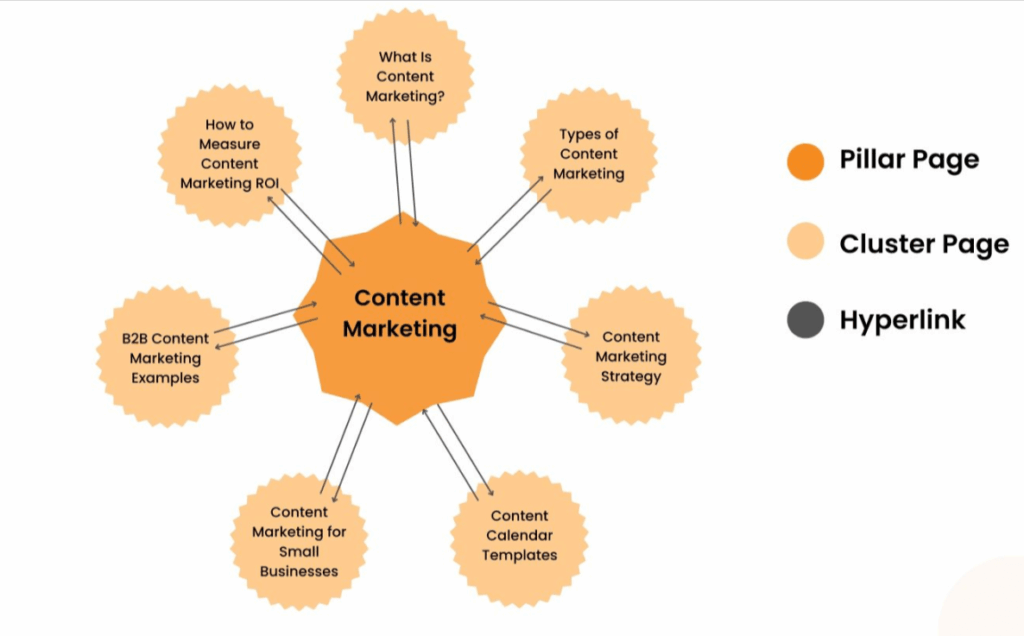
A cluster is the intersection between interconnected articles and a pillar page with a topically central area of interest. This order indicates to search engines that the website is applying itself to the topic. This functionality does improve internal linking and support semantic relevance while your site content is thana placed out as some sort of integrated discussion rather than a single page discussion. Strong topical authority is signaled by topic clusters, much more often outperforming single blog posts.
6. What Is Direct Traffic?
Direct traffic occurs when analytics cannot attribute the origin — but not all direct traffic is intentional.
Two categories matter:
- True Direct Traffic: Bookmark visits, URL entry, repeat users.
- False Direct Traffic: Visits where source data is missing — dark social, QR scans, app traffic, offline campaigns.
GA4 often shows inflated direct traffic because attribution data is lost when:
- A user switches devices.
- A visitor arrives from apps without referral parameters.
- Emails or campaigns lack tracking tags.
7. Sources of Direct Traffic
Direct traffic refers to the users who land on the website because no other referral path can be traced. On the behalf of analytical reports, this attitude is often reflective of high brand awareness, habitual visiting behavior, or any untagged campaigns.
Some of the most common origins of such traffic are user scandals typing in the domain.
Manual Search
If a person puts your URL into their browser directly, they are showing a vast amount of familiarity and intent. This essentially happens when one trusts the brand, recalls the domain name clearly, or has had a past dealing with the entity.
Returning Visitors With Bookmarks
When it comes to bookmarks, these show recurring value, an indicator of high retention because if a user is saving your site for future use, research, tools, pricing pages, or content, the probability is he or she keeps coming back to the site.
Email or Messenger Clicks Without Proper Tracking
In German, if it ain’t broke, don’t fix it. Links in emails and messaging services—WhatsApp, iMessage, Signal—and PDFs from DocSend or emails to walk ins may be mistakenly labeled as direct traffic because of a lack of UTM parameters. This group will form one of the major “false-direct or inaccurate” data categories within GA4.
Offline and Other Traditional Media Sources
Traffic from flyers, brochures, business cards, physical ads, conference, billboards, radio spots, or TV shows may appear direct as far as presentation on analytics is concerned, although the users do not type the URL directly; however, brands with an offline presence see a higher direct-rate – offline campaigns are what contribute the users to type the URL, as they hear about or see it (offline) and, in due course, type it into the browser.
Mobile Apps, Privacy Browsers, and QR Codes
App visits from Facebook, Instagram, Slack, Telegram, and so on (did not pass referrer information) might show as direct on your analytics. QR Codes and and private browsing will stop proper tracking, i.e., the traffic shall not be noted as any referral.
8. How to Get More Direct Traffic
Direct traffic grows as your brand is established and trusted. Unlike organic traffic that depends on search demand and ranking, direct traffic reflects loyalty, awareness and revisit intent. Increasing it certainly requires working on creating direct impression recollection, consistency, and users-driven return behavior.
Below are effective strategies to increase direct visits:
Improve Brand Recall and Memorability
Strong positioning, consistent branding, and a simple, clean domain name, because they help in easier user memory and revisit. Distinct brands with messaging, visuals, or unique value build the habit of direct visits over time.
Use Email Newsletters and Retention Based Communication
When newsletters consistently deliver value—such as announcements, summaries, downloads, or exclusive content—users revisit intentionally. While UTMs help tracking accuracy, the behavioral effect remains: useful emails drive repeat direct traffic and long-term engagement.
Build and Engage a Community
Community participation within private groups, industry forums, Slack channels, Discord communities, or niche online spaces is meant to establish stronger user relationships. When users trust your expertise, they return directly instead of searching your brand or clicking through third party platforms.
Create Bookmark Worthy Tools and Resources
Calculators, templates, glossaries, dashboards, and interactive tools encourage repeated use. Functional resources are far more likely to become part of a user’s workflow—resulting in ongoing direct visits without reliance on search or external referrals.
9. Direct vs Organic Traffic: Which Is Better?
Depends entirely on the context, not necessarily; there is no one answer.
Organic traffic for enhancing visibility, reaching out to fresh audiences, and boosting search demand.
Direct traffic for Increased engagement with repeat and retention laced with customer loyalty.
The industry might add to or reduce the weight: For example:
News sites live on organic visibility.
Industries like banking, SaaS, and healthcare live on the trustiness of direct traffic.
The most successful enterprises have both-organic reach gives them visibility as direct reinforces retention.
Conclusion
Direct traffic and organic traffic signify two different but equally important behaviors of discovery and recognition. Whilst organic traffic demonstrates how well your content earns visibility on search, direct traffic shows how often users return intentionally because of the brand’s impact.
An integrated digital strategy should work toward ranking well enough to be found and ensuring that the user will keep coming back without looking.
FAQs
What is an example of direct traffic?
Direct traffic is when somebody types the website URL directly within their browser or visits the site by clicking a saved bookmark. Such a visit belongs in the direct traffic category.
For long-term growth, which traffic type serves better, direct traffic, or organic traffic?
Organic traffic is way more beneficial for long-term growth as it scales heavily through content, SEO, and better rankings. For direct traffic, its true forces kick in only after your brand becomes established.
Will improving SEO work on Direct traffic as well?
You can say, “indirectly, yes.” As your organic rankings come up, your brand becomes something familiar to more users. Over time, the increased number of recurring users stops looking for your brand name and returns the noisy way either by typing in the URL or clicking on the bookmark.
Why doesn’t all Organic traffic convert as well as Direct traffic?
Organic visitors are often at earlier research or comparison stages, while Direct visitors already trust your brand. As a result, Direct traffic usually shows higher engagement and conversion intent.
Should I invest more in building Organic traffic or increasing Direct traffic?
Most businesses start by investing in Organic traffic (SEO + content) and gradually build Direct traffic through brand familiarity, customer loyalty, and repeat visitors. Both work together and shouldn’t be treated as isolated metrics.
Can paid ads influence both Organic and Direct traffic?
Yes. Paid campaigns can introduce your brand to new audiences, increasing search demand (raising Organic traffic) and repeat visits (raising Direct traffic). Ads can indirectly strengthen both channels.