
Author: accuindexcheck
What Is HTTPS? How It Functions and Its SEO Benefits
You must have seen the small padlock icon or maybe “HTTPS” at the beginning of a webpage URL, but many do not consider what these things really mean. Even though it looks like a minor detail, the whole poser of whether HTTP or HTTPS truly determines how secure and credible a site really is. In…
Read More
Critical Faceted Navigation SEO Pitfalls: How to Fix Crawl and Index Issues
Faceted navigation allows restricting site search results through filtering options like colors, size, brand, or price. Big e-commerce and directory-type sites usually implement faceted navigation to maintain good user vendor experience that enables visitors to move directly to the product or service they need. On the contrary, by posing infinitely many URL versions, faceted navigation…
Read More
Successful SEO Migration: How to Keep Traffic, Protect Rankings & Improve Visibility
Because of the SEO component, relocating a website from one setup to another is never an easy technical project. The risks to your search visibility grow by leaps and bounds whenever domains, CMS platforms, adjustments in site architecture, or URL structures change. This very concern gave rise to the term SEO migration, rather than just…
Read More
Why Server Response Time Critically Impacts Your SEO (And How to Fix It Fast)
Server response time refers to how long a server takes to reply when a user attempts to access a web page. It is a measurement from the time of making a request to a time when the first byte of data is sent back. So, it measures how quickly the server responds when visitors come…
Read More
Google indexing : How Long Does It Take Google to Index Your Website?
Google indexing is a matter of concern for any website to appear in search results. Imagine your site has very limited or almost non-existent indexing, and your site content is very good. How much will people be able to find it on Google? Indexing happens when Google discovers your page, reads it, and puts it…
Read More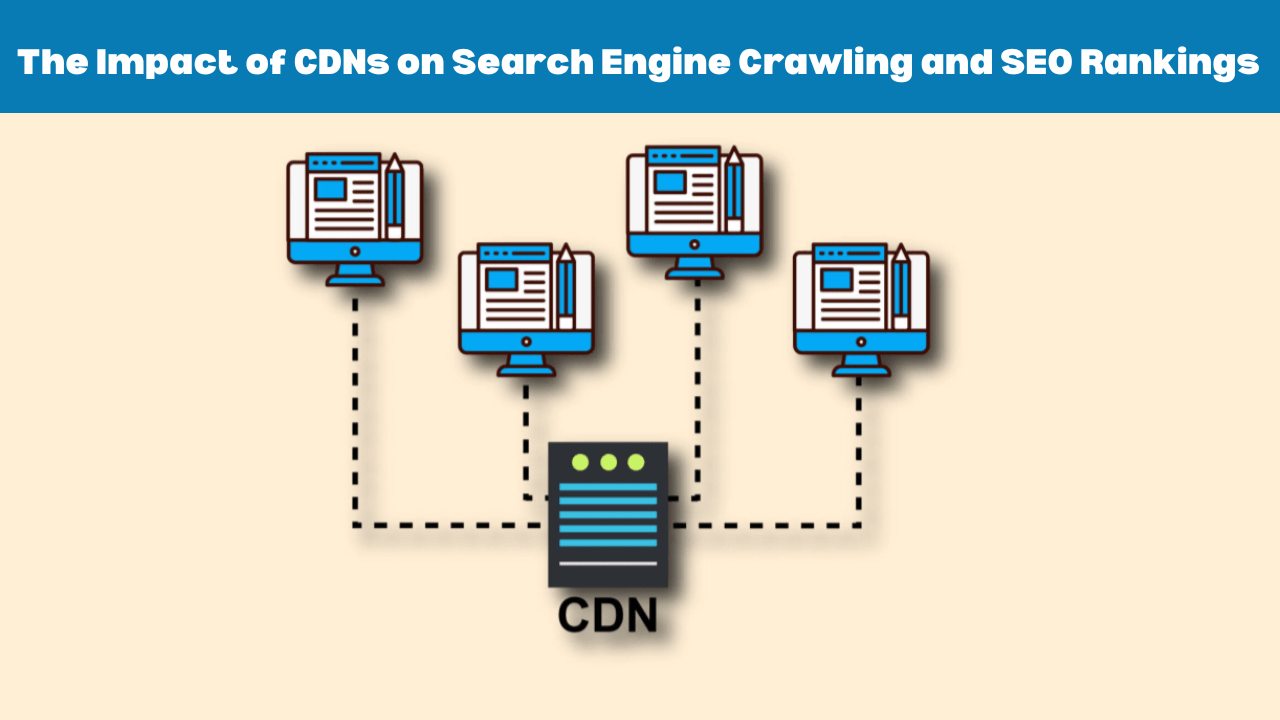
How CDNs Affect Search Engine Crawling and Rankings
A CDN (Content Delivery Network) is a group of servers positioned in various geographic locations that deliver stored copies of website content to users. All users are served content from a server near them instead of connecting to the primary hosting server. Thus, the users experience reduced load time, increased security, and even with high…
Read More
Should You Keep an Old Website Domain? Here’s What to Know
An old website domain is an address that has been active and registered for an extended period. A domain newly registered, in contrast, does not usually come with a past-an old domain could carry backlinks, some recognition by search engines, or past content that has been interacted with. The shenanigans of domain age and its…
Read More
How HTTP Status Codes Drive Efficient Crawling and Indexing
When a search engine is crawling your website, status codes are employed to indicate how every page should be handled. A 200 OK alerts the crawler that the page is available, whereas 301 redirects direct them to a new URL, and 404s declare the presence of nonexistent content. Although such codes may appear technical, they…
Read More
10 School SEO Strategies to Boost Your Website’s Visibility
A school website can only serve the needs of a school if the parents, students, and local communities can find it easily. That is why SEO matters for schools. Done well, SEO will cause a website to be seen in higher search rankings, thereby attracting higher volumes of traffic so that pertinent information about programs,…
Read More
How Accelerated Mobile Pages (AMP) Supports SEO and Page Speed
The mobile experience greatly differs from one site to another. Some provide seamless navigation through their pages with a touch of graphic content; others, however, are slow-loading and become victims of numerous other performance issues. To fix such problems, Google conceived the ‘Accelerated Mobile Pages’ in 2016, a framework optimised for speed and UI performance…
Read More